



MUMBAI: I. Introduction
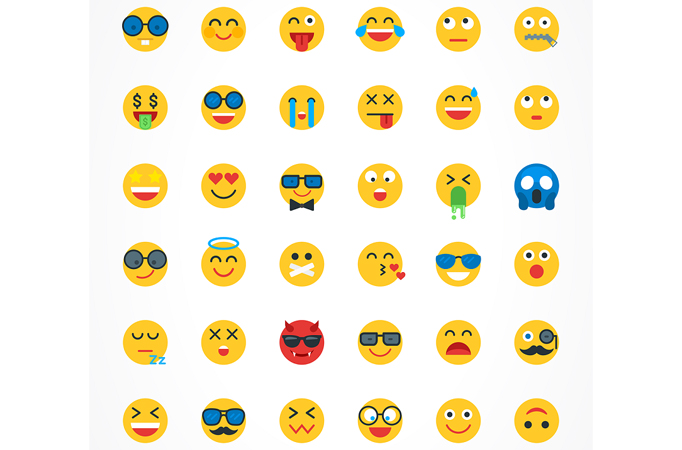
In the era of digital technology, communication has undergone a significant transformation. Emojis, little symbols representing emotions, have become an essential part of our daily communication. From text messages to social media posts, emojis add a layer of expression and personality to our digital interactions. An ExpressVPN’s study shows how emojis possess a varied range of interpretations that can vary from person to person, giving rise to the prevalent notion that they hold concealed meanings.
Have you ever pondered the journey of emojis and how they have evolved? How did they come into existence, and how have they transformed the way we communicate? In this article, we will delve into emojis’ fascinating history and development, exploring their impact on our modern-day communication landscape.
II. The Evolution of Emojis
Emojis, derived from the Japanese words “e” (meaning picture) and “moji” (meaning character), first emerged in the late 1990s in Japan. They were initially created by Shigetaka Kurita, a Japanese artist who was working for NTT DoCoMo, a leading Japanese mobile communications company. Kurita’s original emojis consisted of 176 simple, pixelated images designed to convey various emotions and expressions.
III. The Rise of Emojis in Mobile Communication
In the early 2000s, as mobile phones became more advanced and text messaging gained popularity, emojis quickly found their way into the digital realm. Mobile phone manufacturers started incorporating emoji keyboards into their devices, allowing users to easily add these expressive symbols to their text messages. The use of emojis exploded, and they became a universal language that transcended linguistic barriers.
IV. Unicode Consortium: Standardizing Emojis
As the use of emojis became more widespread, the need for standardization arose. Different platforms and operating systems had their variations of emojis, leading to compatibility issues and misinterpretations. To address this, the Unicode Consortium, a non-profit organization responsible for the development and maintenance of computing industry standards, took on the task of standardizing emojis.
The Unicode Consortium introduced a universal system for encoding emojis, ensuring that a smiling face or a thumbs-up gesture would look the same across different platforms and devices. This standardization process allowed emojis to be more widely understood and used, further fueling their popularity.
V. Diversification and Inclusivity
In recent years, there has been a growing demand for emojis that reflect the diversity and inclusivity of our society. Emojis initially featured a limited range of skin tones and cultural representations. However, as awareness about the importance of diversity and representation increased, so did the push for more inclusive emojis.
The Unicode Consortium responded to this demand by introducing a range of skin tones for human emojis, as well as emojis representing different genders and occupations. This step towards inclusivity has been celebrated as a significant milestone in the evolution of emojis, making them more representative and reflective of the diverse world we live in. According to Entrepreneur, Emoji customization is important for reflecting personal identity and should be used respectfully.
VI. Beyond Faces: The Expansion of Emoji Categories
As emojis became more prevalent, their scope expanded beyond just facial expressions. Today, emojis encompass a wide range of categories, including animals, food and drinks, transportation, sports, and even flags representing different countries. This expansion has allowed users to convey a broader range of emotions and concepts through emojis, making them even more versatile and expressive.
VII. The Impact of Emojis on Communication
The evolution of emojis has had a profound impact on the way we communicate in the digital age. Emojis have the power to enhance understanding, bridge cultural gaps, and foster a sense of connection in our increasingly virtual world.
VIII. Emojis in Marketing and Branding
Recognizing the widespread usage and impact, marketers and brands have started incorporating them into their campaigns. Emojis offer an opportunity to connect with audiences on a more emotional level, creating relatable content and enhancing brand personality. By using emojis strategically, brands can express their values, engage with customers, and foster a sense of authenticity.
IX. Emojis as a Form of Expression
Beyond their functional use, emojis have become a means of personal expression and cultural representation. People use emojis to showcase their identities, convey their moods, and participate in online communities. Emojis have transcended their initial purpose of expressing emotions and have evolved into a dynamic visual language that reflects our individuality and shared experiences.
X. Future of Emojis
As technology continues to advance, so too will the evolution of emojis. With the introduction of augmented reality (AR) and virtual reality (VR), we can expect emojis to become even more immersive and interactive. Furthermore, advancements in artificial intelligence (AI) may enable personalized emojis that adapt to individual users' facial expressions and gestures, further enhancing the richness and expressiveness of digital communication.
XI. Conclusion
Emojis' evolution has transformed how we express ourselves in the digital realm. From their humble beginnings as simple pixelated images to their standardized, diverse, and expansive forms, emojis have become a language of their own. They have revolutionized digital communication, enabling us to convey emotions, bridge gaps, and connect with others in ways that words alone cannot. As we continue to embrace the power of emojis, it’s exciting to imagine how they will evolve further and shape the future of communication.
XII. FAQs
Q1: How do emojis enhance communication?
Emojis enhance communication by adding emotional context to text-based messages. They help convey tone, humor, and intent, making digital conversations more expressive and engaging.
Q2: Are emojis universally understood?
Yes, emojis are designed to be universally understood, transcending language barriers. While interpretations may vary slightly, the basic meanings behind emojis remain consistent across cultures.
Q3: Can emojis replace words in communication?
Emojis are not meant to replace words but rather complement them. They serve as visual cues to enhance the meaning and emotional tone of text-based messages.
Q4: How are new emojis created?
New emojis are created through a collaborative process involving the Unicode Consortium. Proposals for new emojis are submitted, reviewed, and approved based on their potential relevance and popularity.
Q5: Can I create my own custom emojis?
While you cannot create official emojis, you can create personalized stickers or emojis using various messaging apps or keyboard apps available for mobile devices.
Q6: How can I use emojis effectively in business communication?
In business communication, emojis can be used sparingly to add a personal touch, express gratitude, or convey a positive tone. However, it is important to maintain professionalism and use emojis appropriately in a business context.









Add new comment