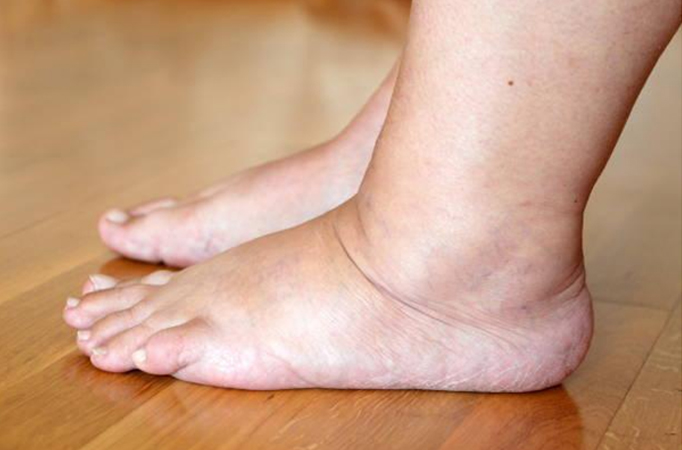
MUMBAI: Edema, or retained fluid, is more than a temporary annoyance; for others, it's a warning sign of an underlying medical issue that needs to be addressed. While swelling in the feet, ankles, legs, or occasionally abdomen and hands characterizes edema, it happens when excess fluid builds up in the tissues of the body. Happily, a careful balance of food choices and medication—especially water pills—can work to manage and diminish this unpleasant problem.
What Is Edema and Why Does It Occur?
Edema occurs when the body's processes to keep the fluids balanced become disrupted. This may be a result of heart, kidney, or liver disease, inflammation caused by injury or infection, or excessive salt intake. Finding the underlying cause is important, as this will influence the long-term treatment plan. In some cases, medications like dytor 10 tablet may be prescribed by doctors to help manage fluid buildup.
Why Diet Is Important in Edema
Your diet can either be a major contributor to your symptoms or part of the solution. Here’s how healthy eating can help curb edema:
1. Reduce Sodium Intake
Excess sodium (salt) causes your body to hold onto water, worsening fluid retention. Most people consume more salt than recommended, often from processed foods, canned goods, packaged snacks, and restaurant dishes.
● Cook more meals at home to better control the salt content.
● Don't add salt to the table.
● Select fresh or frozen vegetables over canned items.
2. Eat Potassium-Rich Foods
Potassium aids in offsetting sodium's influence and promotes the body to excrete water. Emphasize:
● Bananas
● Sweet potatoes
● Beans
● Spinach
● Avocados
3. Boost Magnesium and Calcium
Both minerals can help regulate fluids. Magnesium-rich foods are nuts (almonds, walnuts), leafy green vegetables, whole grains, and seeds, and calcium is found in dairy and some green vegetables.
4. Drink Water-Rich Foods
Keep hydrated—surprisingly, dehydration causes the body to hold on to fluid. Add water-rich foods such as watermelon, cucumbers, and oranges, and sip lots of plain water throughout the day.
5. Accept Protein and Anti-Inflammatory Foods
Low blood protein can also exacerbate edema. Ensure a sufficient intake of high-quality protein foods: lean meats, eggs, dairy, beans, and nuts. Anti-inflammatory foods like turmeric, ginger, berries, leafy greens, and omega-3 fatty fish foods also aid circulation and reduce inflammation-caused swelling.
6. Restrict Refined Carbohydrates and Bad Fats
Processed carbs and unhealthy fats are pro-inflammatory and may promote water retention. Opt for whole, minimally processed grains and healthy fats from olive oil, seeds, and fatty fish.
Practical Dietary Advice for Edema
● Eat numerous small meals rather than a few large ones to assist your body in better managing food and fluid.
● Preplan meals using whole foods and avoiding overly processed foods.
● Stay away from alcohol, which can worsen fluid retention and interact with water pills.
Water Pills: The Role of Diuretics in Edema
When diet alone is not enough, physicians tend to prescribe diuretics (water pills) to induce fluid loss through increased urination. Two commonly used medicines for edema are dytor 10 and torsinol 40 tablet.
What is Dytor 10?
Dytor 10 has torsemide, a loop diuretic. Dytor 10 is prescribed for the treatment of edema accompanying heart failure, kidney disease, or cirrhosis of the liver, and high blood pressure. Dytor 10 increases the production of urine and hence excretes excess fluid and salt from the body, which decreases swelling and relieves symptoms such as breathlessness and tiredness.
● How to Take: Typically taken once a day, best in the morning. It is crucial to carefully follow your physician's guidance. Taking diuretics later in the day can disrupt your sleep by causing nighttime urination.
● Benefits: Relieves swelling, enhances heart and kidney function, reduces blood pressure.
● Side Effects: May cause dizziness, dehydration, low potassium, or stomach upset. Regular laboratory tests are necessary.
What is Torsinol 40 Tablet?
Torsinol 40 Tablet is another torsemide diuretic employed to treat edema due to heart, liver, or kidney issues and to treat high blood pressure. Similar to dytor 10, it prompts the body to remove extra water and salt through urine.
● How to Take: As directed, typically once daily at the same time of day. Do not crush or chew the tablet.
● Advantages: Provides comfort from swelling, assists in the management of blood pressure, and has the potential to increase exercise by reducing pain due to edema.
● Side Effects: Like dytor 10—can include low blood pressure, muscle spasms, or gastrointestinal complaints. Inform your doctor about any long-term side effects.
● Precautions: Tell your physician about underlying illnesses, and never change the dose without talking to your doctor.
Lifestyle and Safety with Water Pills
● Dietary Potassium: Because loop diuretics can lower potassium levels, include potassium-rich foods unless your doctor advises otherwise. Sometimes, supplements are needed.
● Fluid Intake: Never drastically restrict fluids unless under medical advice, as this could lead to dehydration or worsen kidney function.
● Long-Term Use: Consistent monitoring of kidney function, electrolytes, and blood pressure is crucial when using water pills.
Other Non-Pharmaceutical Strategies
● Raise Swollen Limbs: Raising your legs or arms higher than heart level when sitting or sleeping may help decrease swelling.
● Compression Stockings: Particularly useful for leg and ankle swelling, may be prescribed or obtained over the counter.
● Exercise Regularly: Mild exercise, such as walking or swimming, aids circulation and helps prevent fluid buildup in the extremities.
When to Get Medical Care
Although mild swelling may resolve on its own, medical care is required if:
● Swelling occurs suddenly, severely, or with chest pain or shortness of breath.
● You experience recurring or unexplained weight gain.
● Skin is red, warm, or hurts (possible infection signs).
● You have kidney, liver, or heart conditions.
Key Takeaways
● Dietary measures, low sodium, sufficient protein, more water, and generous amounts of fruits and vegetables, are the foundation of managing edema.
● Water pills have a potent supporting role to play, but only under the doctor's care.
● Periodic checkups and candid communication with your healthcare provider guarantee good, safe, and long-term edema control.
Disclaimer:
The information presented in this article is for educational purposes only and is not a replacement for professional medical advice, diagnosis, or treatment. Always consult your physician before initiating, altering, or making important changes to your diet for edema control.
Site Disclaimer: This article does not have journalistic/editorial involvement of tellychakkar.com. indiantelevision.com group or its websites does not endorse/ subscribe to the contents of the article and/or views expressed herein.
The reader is further advised that Online Casino, Betting, Crypto products, Financial Investments/Engagement , NFTs, Products associated with health, wellness, and food are unregulated and can be highly risky. There may be no regulatory recourse for any loss from such transactions or risk associated with health conditions.
Indiantelevision.com group shall not in any manner, be responsible and/or liable in any manner whatsoever for all that is stated in the article and/or also with regard to the views, opinions, announcements, declarations, affirmations etc., stated/featured in the same. The decision to read hereinafter is purely a matter of choice and shall be construed as an express undertaking/guarantee in favour of tellychakkar.com (indiantelevision.com group) of being absolved from any/ all potential legal action, or enforceable claims. The content may be for information and awareness purposes and does not constitute financial advice.